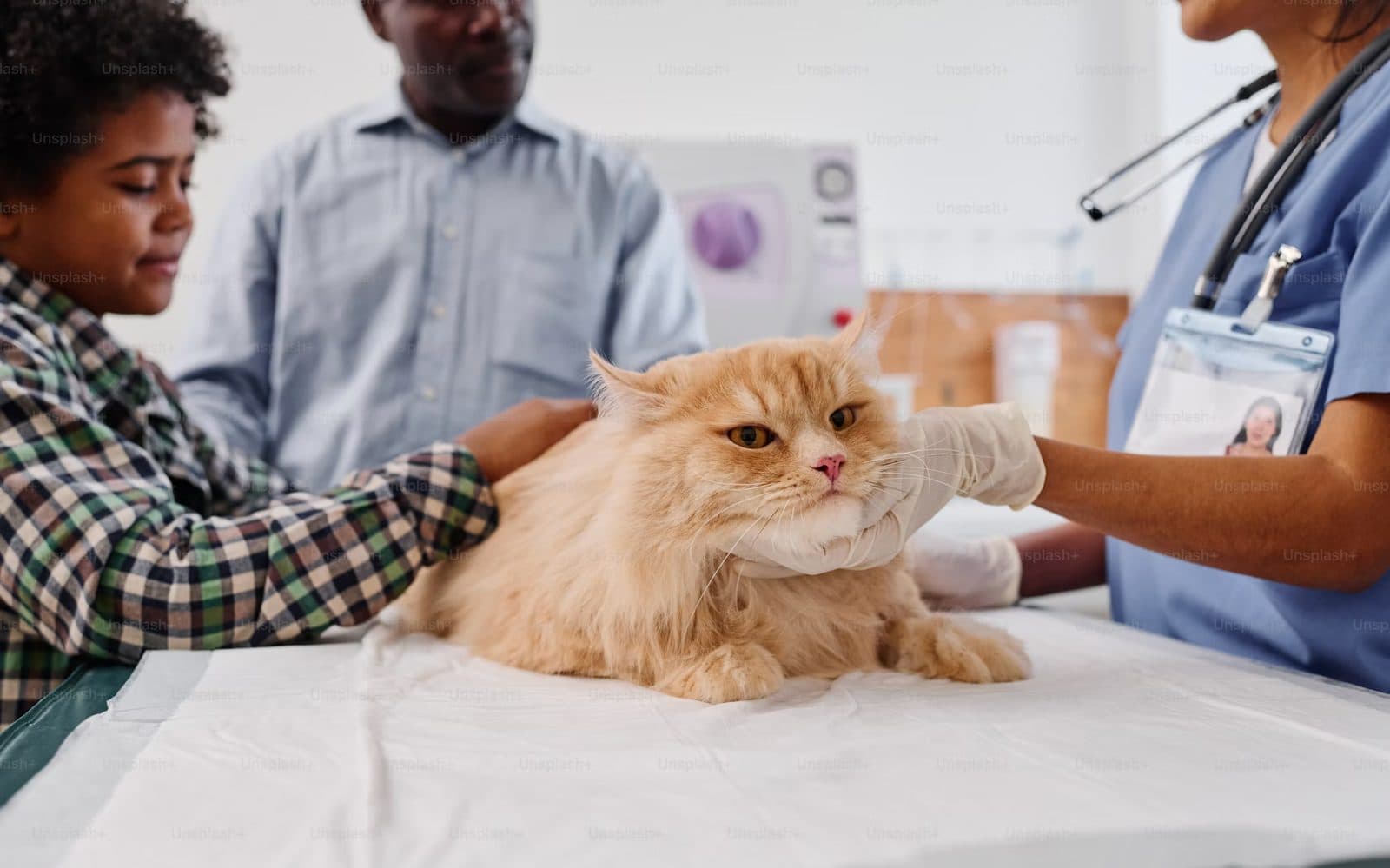
Vaccination is the cheapest veterinary care you will ever buy. The diseases it prevents (rabies, parvovirus, distemper, panleukopenia) are common in Pakistan, expensive to treat, and frequently fatal even with treatment.
This guide explains what is usually recommended and why. It is not a prescription: the right schedule depends on your pet's age, health, and where and how they live, which is a conversation to have with a veterinarian who can see them.
Why rabies deserves separate attention here
Rabies is endemic in Pakistan. Once symptoms appear it is effectively always fatal, in animals and in people, and the country records a substantial number of human deaths each year, mostly following dog bites.
Vaccinating your dog or cat is therefore not only about protecting your pet. It is one of the few things an individual household can do that meaningfully reduces risk to the people around it, including children.
Core vaccines
Dogs
- Rabies: essential for every dog
- Distemper, hepatitis, parvovirus and parainfluenza, usually given together as a combination vaccine
- Leptospirosis: worth discussing, particularly in flood-prone areas, near standing water, or where there are rats
Cats
- Rabies: for any cat with outdoor access, and worth discussing even for indoor cats
- Panleukopenia, herpesvirus and calicivirus, usually given as a combination vaccine
- Feline leukaemia: relevant for cats that go outdoors or live with other cats
Roughly when they are given
Puppies and kittens receive antibodies from their mother's milk that fade over the first months. Those antibodies also block vaccines from working properly, which is why early vaccination is a series rather than a single injection.
- 16–8 weeks: first combination vaccine
- 210–12 weeks: second dose
- 314–16 weeks: final dose of the series, plus rabies
- 4Around 12 months: first boosters
- 5Adult life: boosters at intervals your veterinarian recommends
Until the series is complete, a young animal is not fully protected. Keep puppies away from unknown dogs and from areas where unvaccinated dogs toilet. Parvovirus survives in the environment for a long time and is a common cause of death in unvaccinated puppies here.
If the schedule has already slipped
This is extremely common and rarely a disaster. Depending on how long the gap has been, a veterinarian may resume the course or restart it. What matters is doing something rather than assuming the opportunity has passed.
Bring whatever record you have, even if incomplete: a card, a photo, or the name of the clinic that gave the last dose.
Practical points for Pakistan
- Vaccines lose effectiveness if they are not kept cold. Use a clinic you trust to store them properly.
- Keep a written or photographed record. It is needed for boarding, travel and any future clinic visit.
- Adopted or rescued animals often have unknown histories; assume nothing and ask a veterinarian.
- Mild tiredness or a small lump at the injection site for a day or two is common. Facial swelling, vomiting, or difficulty breathing is not, and that needs urgent care.
The most common reason a pet falls behind on vaccination is not cost. It is simply losing track of when the next one was due.
If you are unsure what your pet has had, or what they still need, a short conversation with a veterinarian will usually settle it faster than trying to work it out from paperwork alone.
Common questions
Which vaccines does a dog in Pakistan need?
Rabies is essential for every dog. Leptospirosis is worth discussing with your veterinarian, particularly in flood-prone areas, near standing water, or where there are rats. Your veterinarian will confirm the right combination for your dog's age, health and circumstances.
What if my pet's vaccination schedule has already slipped?
Bring whatever record you have, even if it is incomplete: a card, a photo, or just the name of the clinic that gave the last dose. A veterinarian can work out what is needed from there.
Is a reaction after vaccination normal?
Mild tiredness, or a small lump at the injection site for a day or two, is common. Facial swelling, vomiting or difficulty breathing is not, and needs urgent veterinary attention.