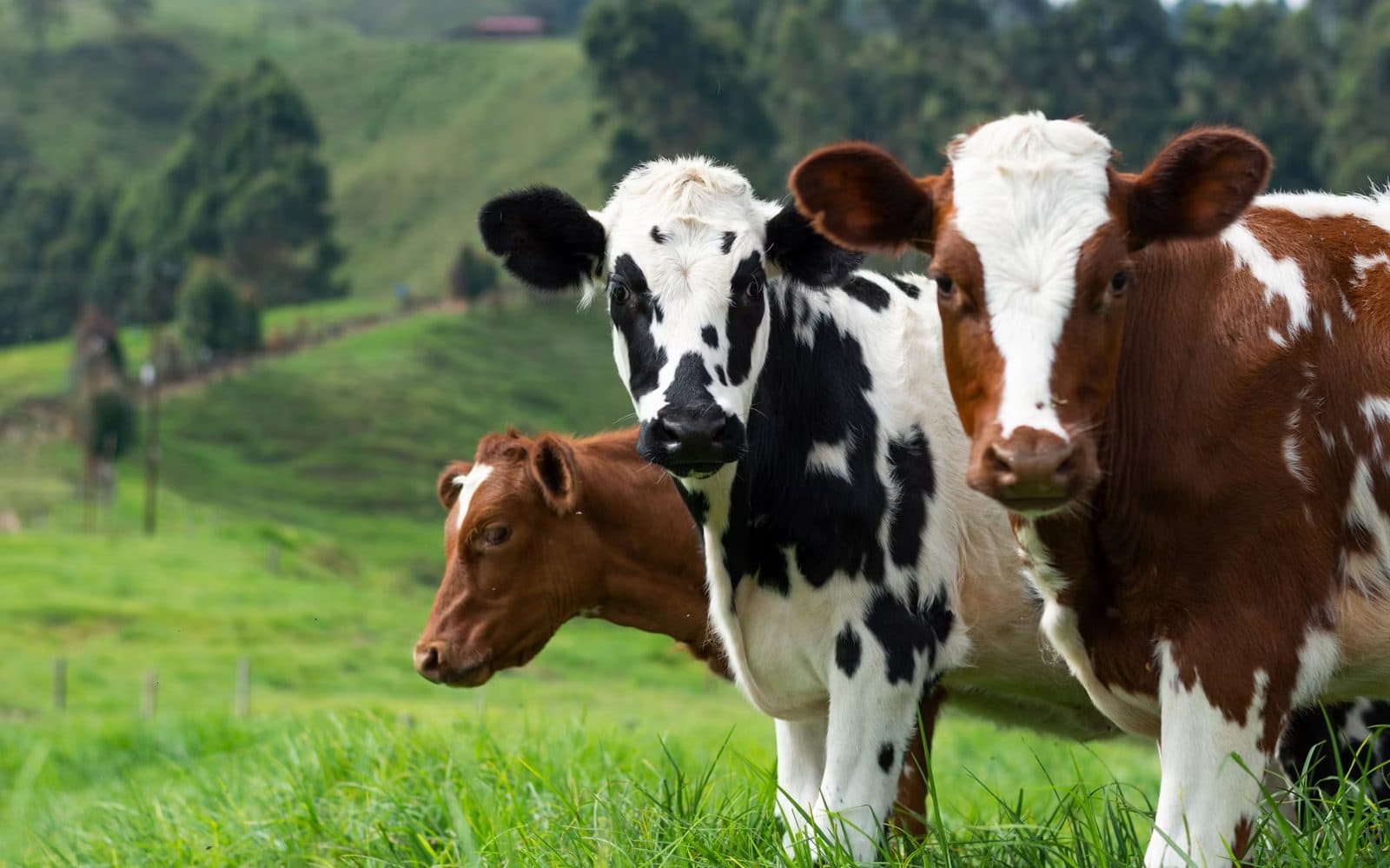
A cow eats less than usual.
A buffalo becomes unusually quiet.
A goat stops moving with the herd.
At first, it may not look serious.
But sometimes, these small changes are the first signs of a much bigger health problem. By the time an owner realises something is seriously wrong, valuable time may already be lost.
The problem isn't always the lack of a vet
Pakistan has a large livestock population, and millions of people depend on animals for their livelihoods. Yet livestock healthcare can still be highly reactive.
An animal becomes sick. The owner tries to figure out what's wrong. A veterinarian is contacted, sometimes hours or days later.
That delay can turn a manageable health problem into an expensive treatment, reduced productivity, or even the loss of an animal.
From treating sick animals to managing animal health
This is where technology can make a difference. Instead of waiting for an animal to become critically ill, livestock health management can help owners monitor their animals continuously and maintain digital health records.
A better system connects the steps that are currently disconnected:
- Monitor: watch the everyday indicators that reveal a change
- Detect: recognise when something has shifted from that animal's normal
- Alert: surface it while it is still a small problem
- Veterinarian: bring in professional judgement with real information
- Action: treat early, when treatment is cheapest and most effective
Health records can help track vaccinations, illnesses, treatments, reproductive history and other important information. Over time, that information can also reveal patterns across an entire herd rather than a single animal.
The goal isn't to replace veterinarians. It's to connect livestock owners with the right veterinary support earlier, and with better information.
Vetline's vision for livestock health
Vetline is building toward a broader animal-health ecosystem where veterinary care isn't only available once an animal is already sick. The direction is early detection, continuous monitoring, accessible veterinary guidance and intelligent herd management.
Because sometimes, saving an animal doesn't start with an emergency treatment. It starts with noticing that something isn't right.
The earlier we detect it, the earlier we can act. And for a livestock owner, that early action can mean the difference between a healthy animal and a devastating loss.
Common questions
What are the earliest signs a cow or buffalo is unwell?
Changes in appetite, milk production, movement, behaviour, body condition or temperature can all be early warning signs. None of them confirms a specific illness on its own, which is why the useful step is noticing the change against that animal's normal and asking a veterinarian about it.
Why is livestock care in Pakistan so often reactive?
Care commonly begins once an animal is visibly sick: the owner tries to work out what is wrong, and a veterinarian is contacted hours or days later. That gap is where a manageable problem becomes an expensive treatment or a lost animal.
Does Vetline monitor livestock automatically today?
No. Continuous monitoring and herd management describe the direction Vetline is building toward, not features in the app now. What is available today is access to veterinarians and a place to keep your animals' health records.