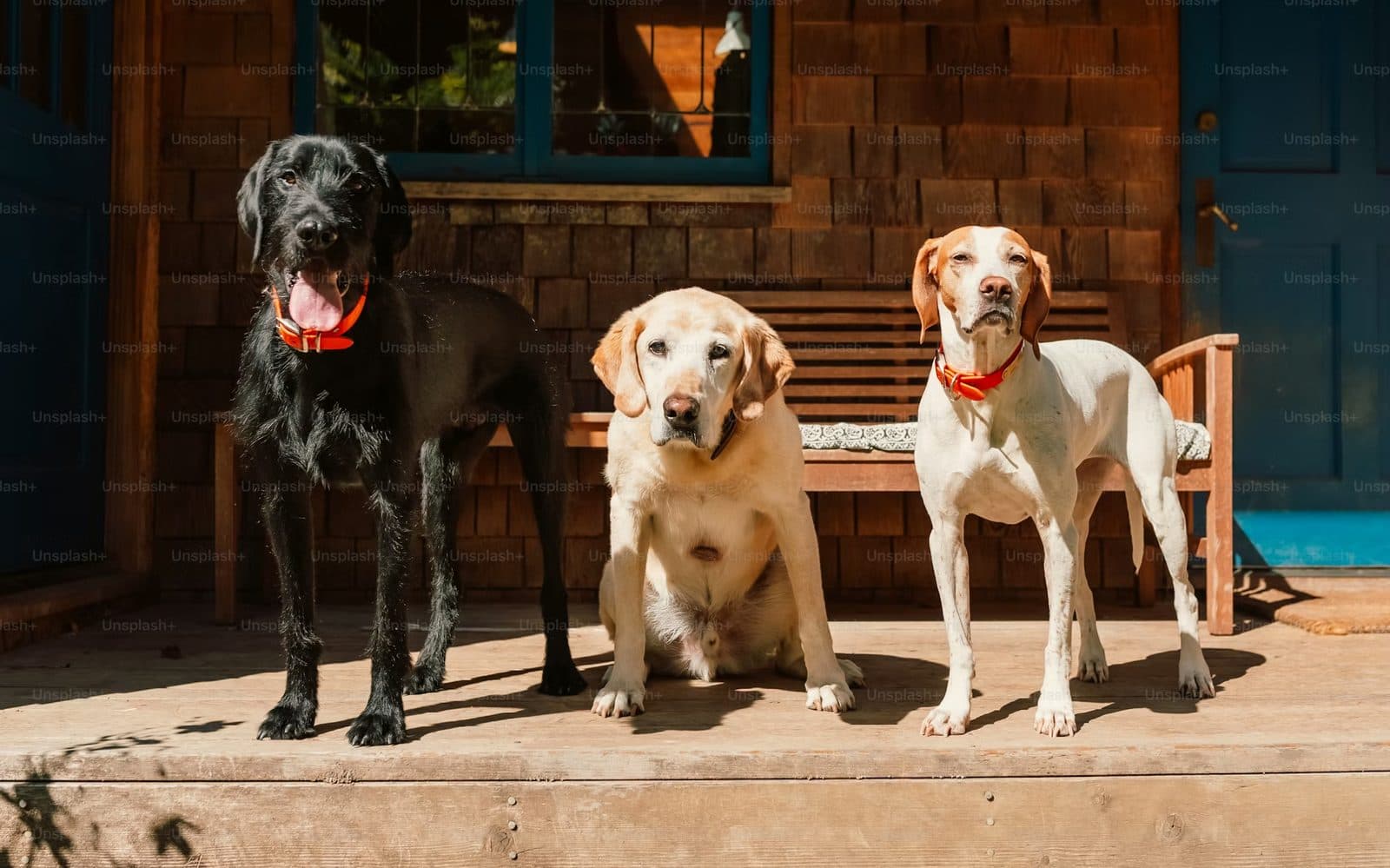
Pakistan does not have the winters people picture when they think of cold-weather pet care. There is no snow to shovel across most of the country, and the plains rarely see hard frost. But the cold that does arrive, foggy nights in Punjab down into single digits, sharper cold in Islamabad and the hill stations, chilly evenings even in Karachi and Lahore, catches out the animals least able to cope with it. Winter care here is less about extreme cold and more about knowing which pets are actually at risk, and what to do about the risks that are genuinely local: unsafe home heating, worsening joint pain, and outdoor and community animals with nowhere dry to sleep.
Which animals are actually at risk
Most healthy adult dogs and cats with a full coat manage a Pakistani winter without any special measures. The animals that struggle are a specific and predictable group.
- Puppies and kittens, who cannot regulate their body temperature as well as adults and lose heat quickly
- Senior pets, especially those with arthritis, thyroid disease or reduced mobility
- Short-haired or thin-coated breeds not built for cold, such as many terrier crosses, Dobermans, Great Danes and most cats
- Small or underweight animals of any age, who have less insulating fat and muscle
- Any pet that is unwell, recovering from illness or on medication that affects circulation
- Animals kept fully outdoors overnight, including community dogs, farm dogs and outdoor cats
If your pet falls into one of these groups, this is the season to pay closer attention, not the season to assume Pakistan is warm enough that nothing needs to change.
The real winter risk: unsafe heating, not the cold itself
In much of Pakistan, the biggest winter danger to pets is not hypothermia. It is what owners do to stay warm. Space heaters, gas heaters and, in some homes, angeethis are common ways to heat a room, and all of them carry risks that are easy to overlook with an animal in the house.
- A pet can lie against a heater closely enough to burn skin, without moving away the way a person would
- Cords are a chewing hazard, especially for puppies and kittens
- A heater can be knocked over by a jumping or playing animal
- Gas heaters and burning coal or wood in a closed, poorly ventilated room can build up carbon monoxide, which is dangerous for animals and people in the same room
Cold weather and arthritis
Owners of older dogs and cats often notice their pet becomes stiffer, slower to get up, or reluctant to climb stairs as the weather turns cold. This is a real and well-recognised effect, not an owner's imagination. Cold, damp conditions tend to worsen joint pain in animals with existing arthritis, the same way many people notice their own joints ache more in winter.
A warm, padded bed away from cold floor tiles, a coat for short walks in the worst of the cold, and keeping a healthy weight all help. But a marked change in mobility deserves a proper look rather than being written off as ageing, because arthritis pain in pets is very treatable, and there is no reason for an older pet to spend the whole winter uncomfortable.
Outdoor, street and community animals
Pakistan has large numbers of community dogs and cats who spend winter outdoors regardless of what any individual household does. For these animals, shelter matters more than almost anything else. A wet, wind-exposed animal loses heat far faster than a dry, sheltered one even at the same air temperature, which is why a simple wind-break makes a bigger difference than most people expect.
- A raised box or shelter lined with straw, sacking or old blankets, positioned out of the wind and off cold, damp ground
- Bedding changed when it gets wet, since wet bedding draws heat away from the body
- Water checked and refreshed if it has iced over on the coldest nights
- A little extra food through winter, since keeping warm burns more calories
The same principle applies to farm dogs, guard dogs and outdoor livestock: young animals in their first weeks of life and newborns are the most vulnerable to cold, and a dry, draught-free space with clean bedding protects them far more than any amount of extra feed alone.
Signs of hypothermia, and what to do
True hypothermia is uncommon in most of Pakistan outside the coldest nights and highest altitudes, but it does happen, particularly in puppies, kittens, and small or thin animals left outdoors or wet in cold weather.
- Persistent shivering that does not settle once the animal is warm and dry
- Unusual lethargy, weakness or a slow, quiet demeanour
- Cold ears, paws and tail
- Pale or greyish gums
- In severe cases, confusion, stumbling, or collapse
- 1Bring the animal into a warm, dry space
- 2Dry it thoroughly if it is wet
- 3Wrap it in dry blankets and use your own body heat if needed, rather than a hot water bottle or direct heater against the skin, which risks burns
- 4Offer warm (not hot) food or water if it is alert enough to eat and drink normally
- 5Contact a vet if there is no improvement within a short time, or if the signs are marked
The Pakistani winter rarely threatens a healthy adult pet directly. It threatens the young, the old, the thin and the unwell, and the mistakes owners make trying to keep everyone warm.
A short winter checklist
- Identify which of your pets, if any, are in a higher-risk group this winter
- Provide a warm, draught-free bed away from cold floors and doorways
- Never leave a pet unattended with an active heater, and keep the room ventilated
- Watch for a genuine change in mobility in older pets, and get it checked rather than assuming it is just age
- If you feed or shelter community animals, prioritise a dry wind-break over almost anything else
Common questions
Do dogs and cats in Pakistan actually need winter care, given how mild our winters are compared to other countries?
Yes, for specific animals. Most healthy adult dogs and cats with a normal coat manage the Pakistani winter without special help. But puppies, kittens, senior pets, thin or unwell animals, short-haired breeds and anything kept outdoors overnight can genuinely suffer, especially on the cold, foggy nights common in Punjab and the higher, sharper cold of Islamabad, Murree and the north.
Is it safe to leave a room heater on overnight with my pet?
Not unattended. A pet can knock over a space heater, chew its cord, or lie against it closely enough to burn skin without moving away, since animals do not always recognise the danger the way a person would. A gas heater in a closed, poorly ventilated room also risks carbon monoxide build-up, which is dangerous for animals and people alike. If you use heating, keep it out of reach, ventilate the room, and never leave a pet alone with it running.
My old dog seems stiffer and slower since the weather turned cold. Is that just old age?
Cold weather is well known to worsen arthritis pain, so a genuine change in how your dog moves in winter is common and is a sign of pain, not simply age catching up. It is worth discussing with a vet, since there are safe ways to manage arthritis pain that make a real difference to comfort and mobility.
How can I help street or community dogs and cats through winter without adopting them?
The single most useful thing is dry, wind-proofed shelter, since wet, wind-exposed animals lose heat far faster than dry, sheltered ones even at the same temperature. A simple box lined with straw or old blankets, raised slightly off cold ground and turned away from the wind, helps considerably. Regular food and water that is checked for freezing on the coldest nights also matters, though shelter is often the bigger factor.
What are the warning signs of hypothermia in a pet?
Persistent shivering that does not stop with warming, unusual lethargy or weakness, cold ears and paws, pale or greyish gums, and in severe cases confusion, stumbling or collapse. Puppies, kittens and small or thin animals can develop this faster than owners expect. Warm the animal gradually with dry blankets and body heat rather than direct heat sources, and contact a vet promptly if there is no improvement or the signs are marked.
Do outdoor livestock like goats and poultry need winter precautions too?
Yes. Newborn and young animals are especially vulnerable to cold in the first weeks of life, and a dry, draught-free shelter with clean bedding matters more for them than it does for hardy adult stock. Wet bedding conducts heat away from the body far faster than dry bedding, so keeping shelters dry is one of the most effective and low-cost things a keeper can do.