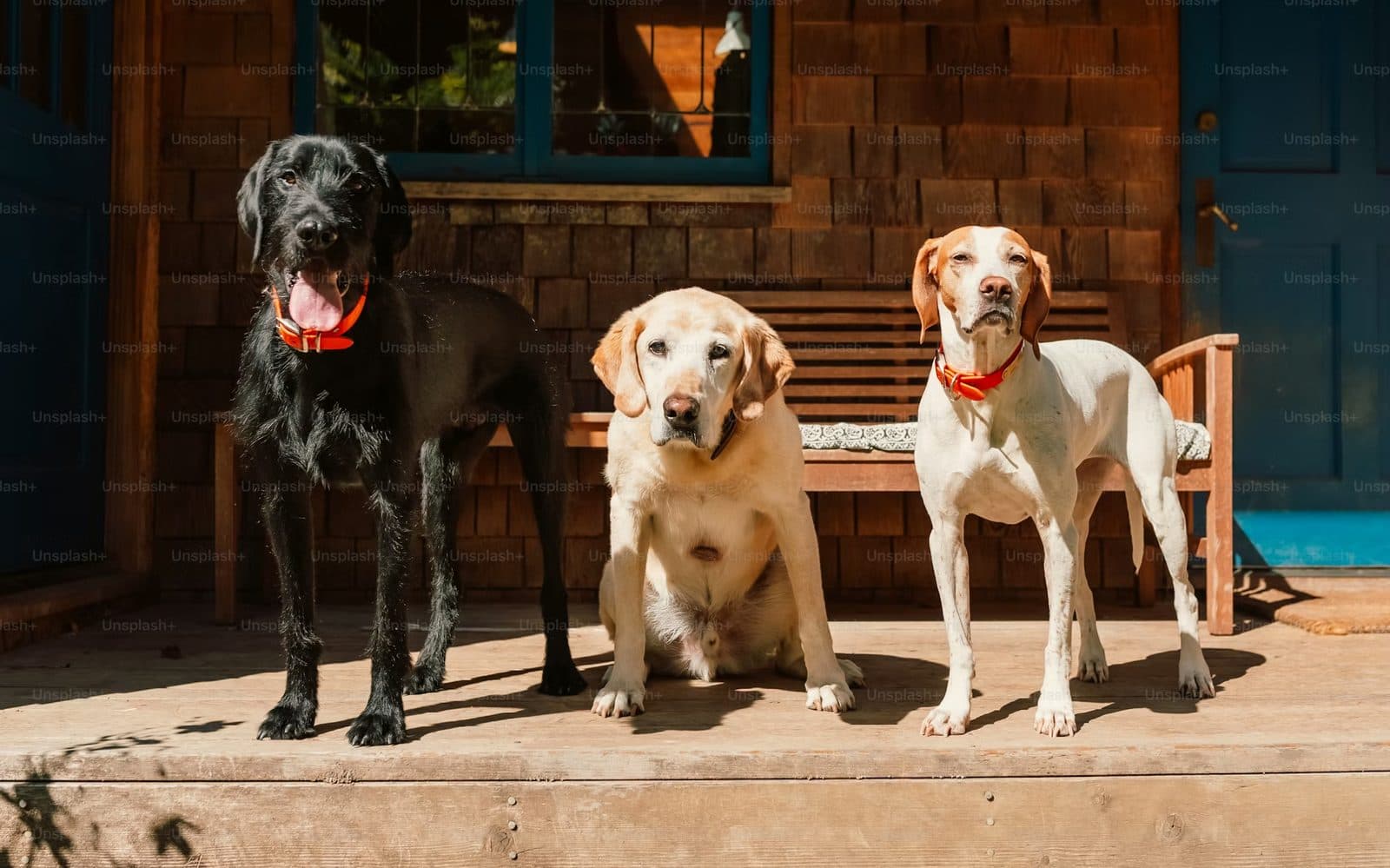
Karachi's summers are dangerous for pets in a way that a temperature reading alone does not capture. Humidity is the reason. Dogs shed heat mainly by panting, which relies on moisture evaporating from the airway. When the air is already saturated, that evaporation slows, and the mechanism your dog depends on stops working properly.
This is why a humid 38°C day can be more dangerous than a dry 42°C one, and why heatstroke here often develops faster than owners expect.
Which animals are most at risk
- Flat-faced breeds (Persians, Himalayans, Pugs, Bulldogs, Shih Tzus) whose airways make panting far less effective
- Overweight pets
- Puppies, kittens and elderly animals
- Thick or double-coated breeds
- Animals with heart or respiratory conditions
- Any pet left in a parked car, even briefly, even with windows cracked
A parked car in Karachi sun can exceed survivable temperatures within minutes. There is no safe duration.
Early signs, before it becomes an emergency
Heatstroke does not begin with collapse. It begins with signs that are easy to dismiss:
- Heavy, fast panting that does not settle with rest
- Drooling more than usual, or thicker saliva
- Restlessness, or seeking cool surfaces like tiles
- Bright red gums and tongue
- Slowing down or lagging behind on a walk
Signs of an emergency
- Weakness, stumbling, or difficulty standing
- Vomiting or diarrhoea, particularly with blood
- Gums that are pale, grey or blue
- Confusion or unresponsiveness
- Seizures or collapse
What to do while you get help
- 1Move your pet into shade or an air-conditioned room immediately.
- 2Apply cool water, not ice-cold, to the belly, armpits, groin and paws, where blood vessels are close to the surface.
- 3Direct a fan at the wet skin; evaporation is what actually removes heat.
- 4Offer small amounts of cool water if your pet is fully conscious and able to drink. Never pour water into the mouth of a collapsed animal.
- 5Contact a veterinary clinic and travel with the air conditioning on.
- 6Stop active cooling once breathing settles, then continue to the clinic anyway.
Seek veterinary care even if your pet seems to recover. Heatstroke can cause internal damage to the kidneys, clotting system and gut that appears hours later, and that window is easy to miss at home.
Preventing it in the first place
- Walk in the early morning or after dark, never in the middle of the day
- Test the pavement with the back of your hand. If you cannot hold it there for seven seconds, it will burn paw pads
- Keep fresh water available in several places, and refresh it through the day
- Provide deep shade for any animal kept outdoors, remembering that shade moves
- Never leave a pet in a parked car
- During load-shedding, plan a cool room in advance: tiled floors, cross-ventilation, damp towels to lie on
Most heatstroke cases seen in clinics were preventable an hour earlier.
If you are unsure whether what you are seeing is ordinary summer panting or the start of something serious, that uncertainty is itself a good reason to speak to a veterinarian rather than wait and watch.
Common questions
Which pets are most at risk in a Karachi summer?
Flat-faced breeds such as Persians, Himalayans, Pugs, Bulldogs and Shih Tzus are especially vulnerable, because their airways make panting far less effective at shedding heat.
How do I know if the pavement is too hot to walk on?
Test it with the back of your hand. If you cannot hold it there for seven seconds, it will burn paw pads.
My pet seemed to recover from overheating. Do I still need a vet?
Yes. Heatstroke can cause internal damage to the kidneys, clotting system and gut that only appears hours later, and that window is easy to miss at home.