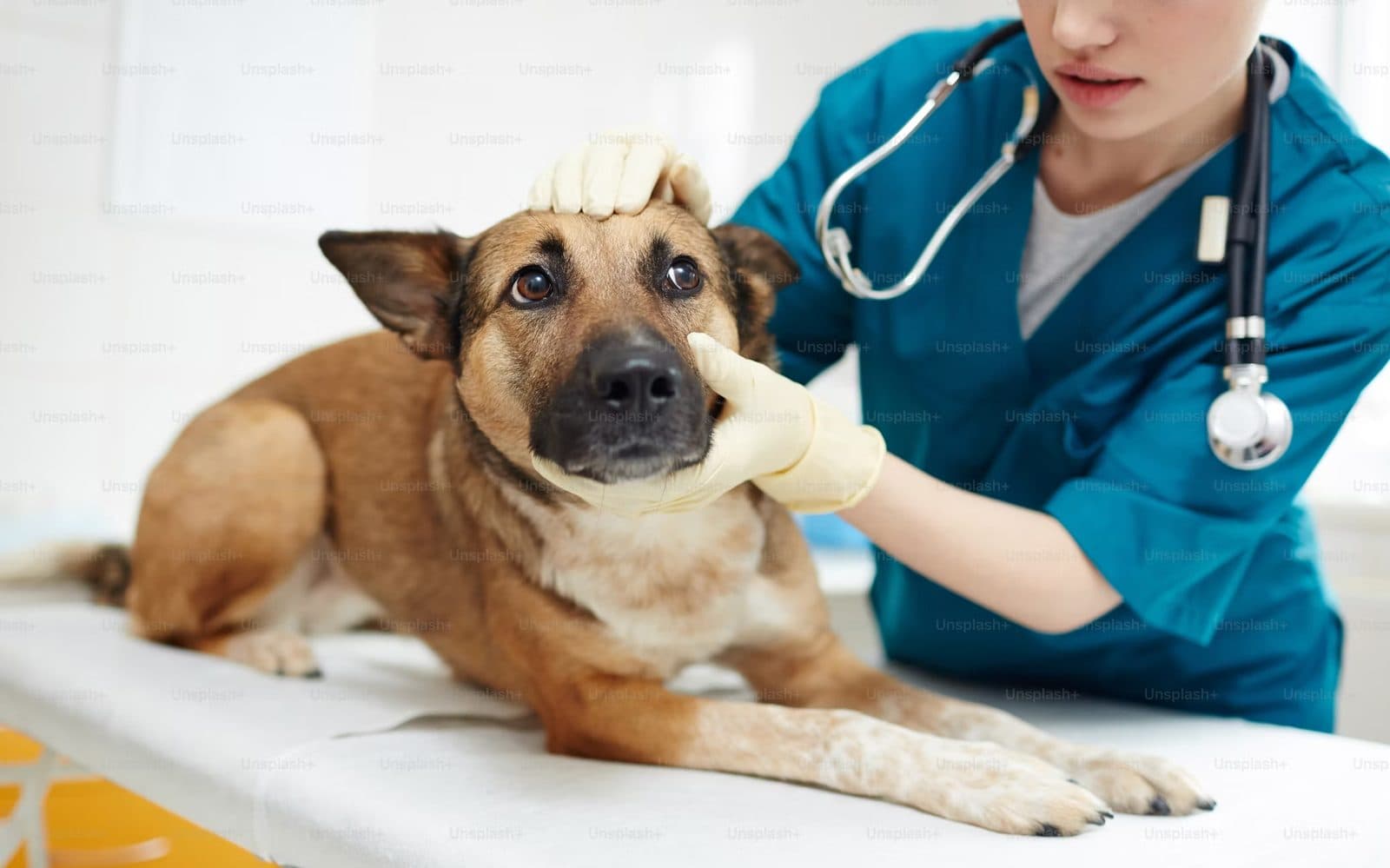
Ticks and fleas are the single most common reason pet owners in Pakistan go looking for help, and also the problem most often treated with the wrong thing. A bottle of shampoo from the local store kills what is on the animal today. It does nothing about the far larger population living in your home, your yard, and the shaded ground your dog lies on.
Understanding that difference is most of the battle. Here is what the problem actually is, how to check properly, and where the real risk lies.
Why this is a year-round problem here
In much of Pakistan, particularly Karachi, coastal Sindh and southern Punjab, winters never get cold enough for long enough to break the parasite life cycle. In cooler regions there is more of a seasonal dip, but indoor heating and mild spells still let fleas persist indoors.
The practical consequence: treating only in summer leaves a gap that the population uses to rebuild. Prevention that runs continuously works considerably better than prevention that starts once you already see ticks.
How to check your pet properly
Do this in good light, ideally daily in summer and after any walk in grass or unpaved areas.
- 1Run your fingertips slowly over the skin, not the coat. You are feeling for small bumps.
- 2Check the places ticks prefer: inside and behind the ears, under the collar, in the armpits and groin, between the toes, and around the tail base.
- 3For fleas, part the fur on the lower back and belly and look for 'flea dirt', dark specks that turn rust-red on a damp tissue. That colour is digested blood, and it confirms fleas even when you see none.
- 4Check bedding and favourite sleeping spots at the same time.
Removing a tick
Grasp it with fine tweezers as close to the skin as you can and pull straight out with steady pressure. Do not twist, and do not use petrol, kerosene, nail polish or a lit match. Those methods are still widely recommended locally, and they make the tick more likely to regurgitate into the wound, which is precisely what you want to avoid.
Clean the site afterwards and keep an eye on it. A small bump where the tick was attached is normal for a few days.
What actually reduces the population
- A vet-recommended preventive used continuously and dosed by weight. The correct product depends on species, age and health, which is exactly the sort of thing worth a short conversation.
- Treating every animal in the household at once, not only the one that looks affected.
- Washing bedding in hot water weekly during peak months.
- Vacuuming floors and soft furnishings, and emptying the vacuum outside afterwards.
- Keeping grass short and clearing leaf litter and shaded debris where ticks wait.
When it stops being a nuisance and becomes urgent
Ticks transmit disease. Tick fever in dogs is common in Pakistan and is a genuine cause of serious illness, not a minor complaint.
Contact a veterinarian promptly if you notice:
- Fever, lethargy, or an animal that is simply not itself
- Loss of appetite lasting more than a day
- Pale gums, which can indicate anaemia from heavy infestation or disease
- Nosebleeds, or small red or purple spots on the gums or belly
- Lameness that seems to move between legs
- Severe scratching that has broken the skin, or hair loss and scabbing
A heavy tick burden on a puppy or a small dog is not only uncomfortable. It can remove enough blood to be dangerous on its own.
The short version
Treat the environment as seriously as the animal, run prevention continuously rather than seasonally, use products chosen for the species and weight in front of you, and treat fever or lethargy after tick exposure as a reason to speak to a veterinarian rather than wait.
Common questions
Do dogs and cats in Pakistan need tick and flea prevention in winter?
In much of the country, particularly Karachi, coastal Sindh and southern Punjab, yes. Winters there do not get cold enough for long enough to break the life cycle. Cooler regions see more of a seasonal dip, but indoor heating and mild spells still let fleas persist indoors.
What is the correct way to remove a tick?
Grasp it with fine tweezers as close to the skin as you can and pull straight out with steady pressure. Do not twist. Do not use petrol, kerosene, nail polish or a lit match: those methods make the tick more likely to regurgitate into the wound, which is exactly what you want to avoid.
How do I know if my pet has fleas when I cannot see any?
Part the fur on the lower back and belly and look for flea dirt, which appears as dark specks that turn rust-red on a damp tissue. That colour is digested blood, and it confirms fleas even when you see no insects.