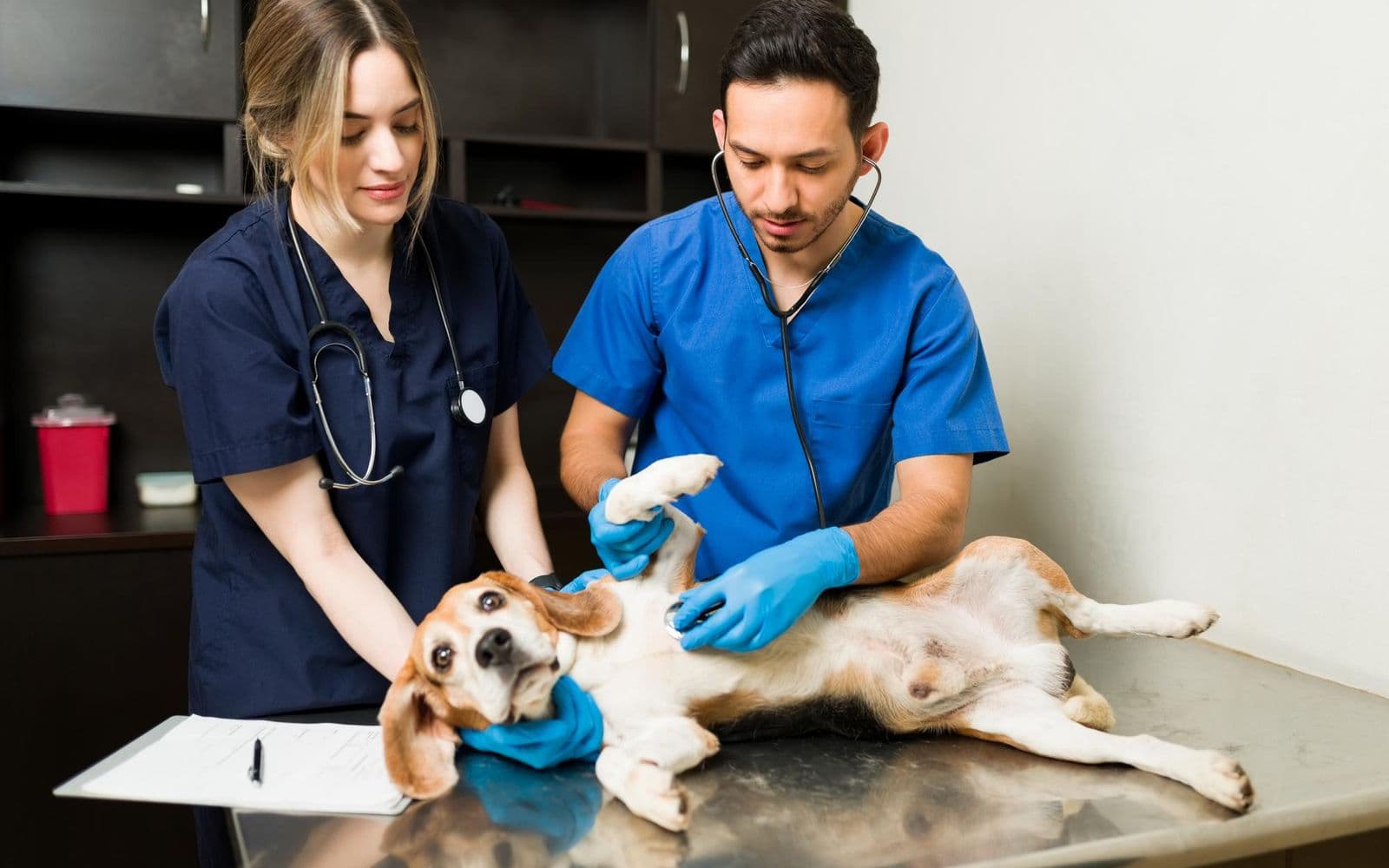
A lot of the hesitation Pakistani pet owners have about spaying or neutering comes down to two fears: that it is a bigger, riskier operation than it is, and that it will change who their pet is. Neither holds up well against what the surgery actually does. It is routine, it is short, and the animal that wakes up afterwards is the same animal, just protected from a few specific and serious health problems it would otherwise carry for life.
What the surgery actually is
In females, spaying (an ovariohysterectomy) removes the ovaries and usually the uterus through a small abdominal incision. In males, neutering or castration removes both testicles through a smaller incision near the scrotum. Both are done under general anaesthesia, both are among the most commonly performed procedures at any small-animal clinic, and both animals typically go home the same day once they are alert and stable.
The health case, not just the population-control case
Population control is a real reason to sterilise a pet in Pakistan, where unplanned litters often end up adding to the street dog and cat population. But the stronger argument for most individual owners is medical, and specific to each sex.
For females
- Pyometra, a severe uterine infection that can be fatal, becomes impossible once the uterus is removed
- The risk of mammary (breast) tumours drops sharply if spaying happens before the first or second heat
- No more heat cycles, which means no twice-yearly bleeding, no yowling or restlessness in cats, and no risk of unwanted pregnancy from an unsupervised moment outdoors
For males
- Testicular cancer risk is eliminated entirely
- Prostate problems become less likely later in life
- The drive to roam in search of a female in heat, which is how many male dogs end up lost, hit by traffic, or in fights, is reduced
What it does not do
It does not erase a pet's personality, make a working or guard-breed dog "soft", or turn a playful cat lazy. Some hormone-driven behaviour does tend to settle, including roaming, mounting, urine marking, and mild aggression between unneutered males, but a dog's fundamental temperament, confidence and trainability come from breeding, upbringing and day-to-day handling, not from this one surgery. Weight gain that owners sometimes notice afterwards is almost always a mismatch between the same food portions and less active hormone-driven behaviour, and is managed the same way any weight issue is: adjusting food and exercise, not avoiding the surgery.
The surgery changes a few specific health risks. It does not change the animal you brought home.
Timing
- 1Most vets suggest roughly 5 to 7 months of age for dogs and cats
- 2For females, doing it before the first heat gives the strongest protection against mammary tumours
- 3Very large or giant dog breeds are sometimes better sterilised a little later for joint development reasons, so ask a vet about the specific breed
- 4Healthy adult and senior pets can still be sterilised; they simply need a proper pre-anaesthetic check, including bloodwork, before the procedure
Recovery, in practical terms
Castration in males is the quicker operation with a shorter recovery. Spaying in females is abdominal surgery and needs a little more care: typically 7 to 10 days of restricted activity, no running, jumping, or swimming, a protective cone or surgical suit to stop the animal licking or chewing at the incision, and a follow-up check to confirm healing before returning to normal routine. Watch the incision for swelling, discharge, or the animal persistently bothering it, and contact a vet if any of these appear.
Cost in Pakistan
Pricing varies by city, clinic, and whether the animal is a cat or dog, small or large. As a rule of thumb, it is a routine, planned procedure rather than an emergency one, which generally makes it considerably cheaper than treating a pyometra crisis, a difficult birth, or raising and rehoming an unplanned litter. Ask the clinic directly what their quote includes: the surgery itself, anaesthesia, pain relief, and the follow-up check should all be covered, so you are not comparing a stripped-down quote at one clinic against a full-service one at another.
Deciding whether and when to sterilise a pet is one of the more consequential choices an owner makes, but it is not a difficult or risky one in practice. A short, well-established surgery, a week or two of easy restrictions afterwards, and in return, several serious diseases taken permanently off the table.
Common questions
What is the actual difference between spaying and neutering?
Spaying refers to the surgery in female dogs and cats: the ovaries and usually the uterus are removed (an ovariohysterectomy), so she can no longer come into heat or become pregnant. Neutering, also called castration, is the male version: both testicles are removed. People sometimes use "neutering" loosely for both sexes, but the procedures themselves are different operations.
Will it change my pet's personality?
Not in the way many owners fear. It does not make a dog or cat lazy, sad, or less affectionate; weight gain after surgery is almost always about reduced exercise and the same food portions, not the surgery itself. What does typically settle is hormone-driven behaviour: a male's urge to roam and find a female in heat, mounting, and some marking and mild aggression toward other males. Underlying temperament, training and how the animal was raised matter far more than this one surgery.
What is pyometra, and why does spaying matter for it?
Pyometra is a serious, pus-filled infection of the uterus that can develop in unspayed female dogs and cats, usually in middle age, and is a genuine emergency: it can be fatal if the uterus ruptures or the infection spreads into the bloodstream. It cannot occur once the uterus has been removed, which is the single biggest medical argument for spaying a female that is not being deliberately bred.
What age is best, and is there an age that's too late?
Most vets suggest around 5 to 7 months, ideally before a female's first heat, since the protection against mammary tumours is strongest when spaying happens early. There is no fixed cut-off where it becomes impossible: healthy adult and even older dogs and cats are routinely sterilised too, though an older or less healthy animal needs a proper pre-anaesthetic check first. A vet may also advise waiting longer in certain large dog breeds; this is worth asking about rather than assuming a single age fits every animal.
What does the surgery and recovery actually look like?
Both procedures are done under general anaesthesia at a clinic, with the animal normally going home the same day. Castration is the quicker, smaller operation; spaying is abdominal surgery and takes a little longer with a slightly longer recovery. Expect 7–10 days of restricted activity, no running, jumping or swimming, a cone or surgical suit to stop licking the incision, and a recheck to confirm it has healed before activity goes back to normal.
Is it worth it if I'm not planning to breed my pet anyway?
Yes, for most owners. Beyond preventing pregnancy, it removes the risk of pyometra and testicular cancer entirely and substantially lowers mammary tumour risk, while also reducing the number of unplanned litters that end up on the street, which is a real and ongoing problem in Pakistani cities. The cost of the procedure is almost always lower than treating a pyometra emergency, a difficult birth, or finding homes for an unplanned litter.